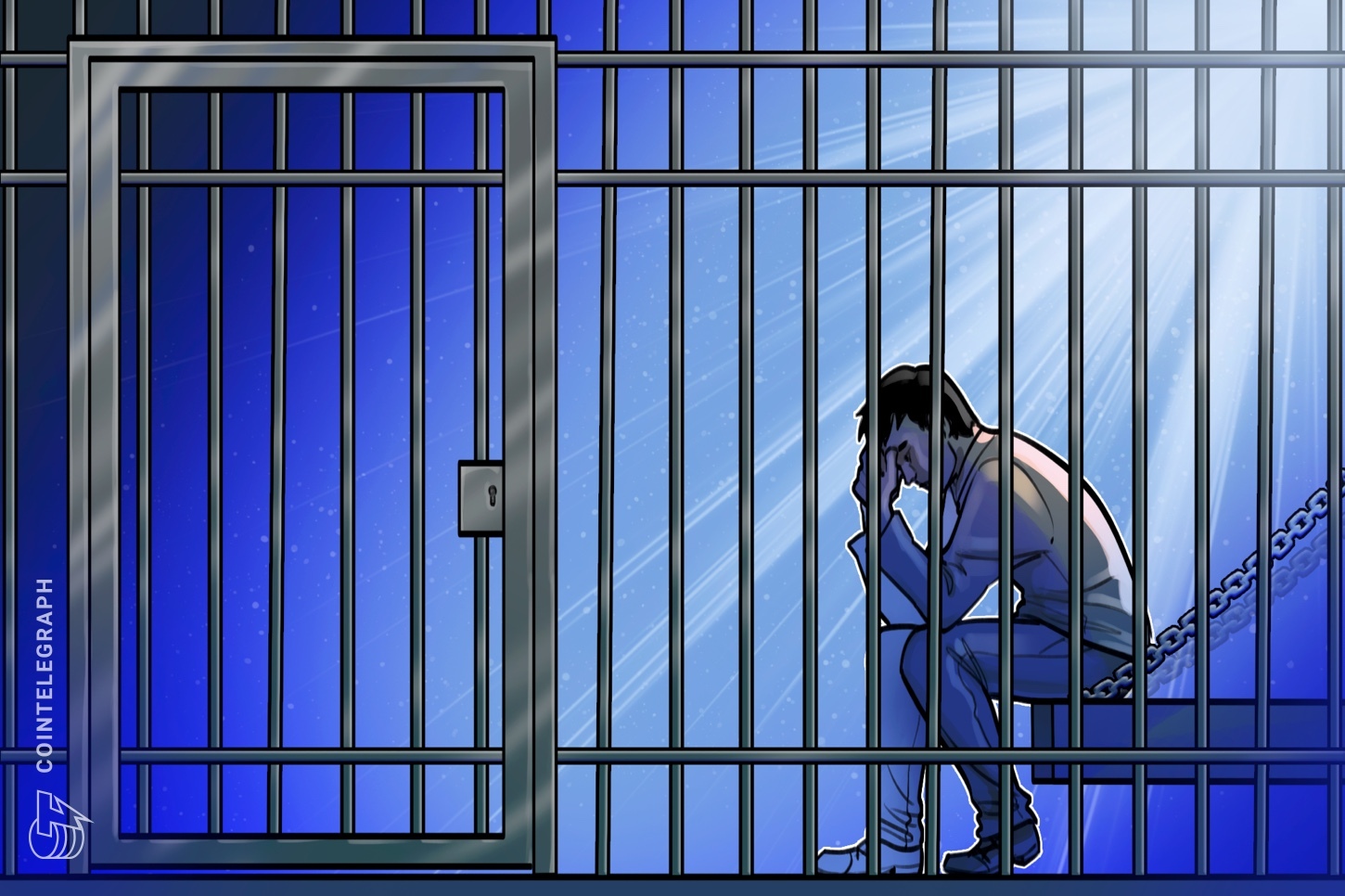
Director Carl Rinsch has been sentenced to 30 months in a U.S. federal prison for embezzling millions from Netflix to fund a massive Dogecoin (DOGE) shopping spree and luxury lifestyle.
Director Carl Rinsch has been sentenced to 30 months in federal prison after misappropriating $55 million in Netflix production funds to gamble on Dogecoin, stocks, and luxury items.
The high-profile sentencing follows a scandal where Rinsch, best known for directing '47 Ronin,' misappropriated funds intended for an ambitious science fiction series. For USA investors, the case serves as a stark reminder of the legal boundaries surrounding corporate treasury management and the volatile nature of memecoins (cryptocurrencies inspired by internet jokes).
The Multi-Million Dollar Dogecoin Bet
In 2020, Netflix provided Rinsch with tens of millions of dollars to develop a project titled 'Conquest.' Instead of completing the production, Rinsch diverted large portions of the budget into personal brokerage and crypto exchange accounts.
Rinsch reportedly moved $10.5 million into Dogecoin (a widely traded digital asset that started as a parody of Bitcoin). Unlike many traders who lose money on speculative assets, Rinsch’s bet actually paid off initially. He reportedly liquidated his positions for a staggering profit of $27 million.
"This case demonstrates that the digital asset market is not a lawless frontier where corporate executives can hide misappropriated funds behind the veil of blockchain technology."
Luxury Spending and Financial Malpractice
The windfall from the Dogecoin trade was not returned to Netflix. Instead, Rinsch embarked on a lavish spending spree that caught the attention of federal investigators. He allegedly spent nearly $9 million on high-end designer clothing, furniture, and several exotic cars.
His purchases included five Rolls-Royces and a Ferrari. While the director claimed these were production expenses, the court found that the funds were used exclusively for personal gain. This misuse of corporate capital led to a prolonged legal battle between the director and the streaming giant.
Tracing these funds is easier for authorities than many realize. According to data from CoinGecko, Dogecoin remains one of the top digital assets by market cap, but its public ledger makes it traceable once it hits regulated U.S. exchanges.
Lessons in Corporate Governance and Risk
The sentencing highlights the dangers of unregulated access to production capital. Netflix had already spent $44 million on the show before Rinsch requested an additional $11 million, which he immediately moved into the stock market and crypto holdings.
- Lack of Oversight: Rinsch had near-total control over the project's bank accounts.
- Market Volatility: While Rinsch profited, his stock market bets prior to the Dogecoin trade resulted in losses of nearly $6 million.
- Legal Consequences: The 30-month sentence reflects the severity of wire fraud in the United States.
The Legal Path to Sentencing
Rinsch's defense team attempted to argue that the funds were his by right according to his contract, but the U.S. Department of Justice disagreed. The prosecution focused on the deceptive nature of the transfers and the intent to defraud the studio.
- Investigation: Netflix initiated a private audit after the show missed several deadlines.
- Arbitration: The dispute first went through private legal channels before becoming a criminal matter.
- Sentencing: The 2.5-year prison term serves as a deterrent for similar corporate embezzlement.
What This Means for USA Investors
For Americans trading on platforms like Coinbase, Kraken, or Gemini, this case underscores that the IRS and DOJ are increasingly sophisticated at tracking crypto-related crimes. Under current U.S. law, utilizing corporate funds for crypto trading satisfies the criteria for wire fraud and theft.
Tax and Regulatory Impact
The IRS (Internal Revenue Service) requires taxpayers to report all crypto gains. In Rinsch's case, even if the initial funding was stolen, the $27 million profit would be subject to capital gains tax (the tax paid on the profit from selling an asset). US investors should ensure they maintain clean records to avoid being flagged by automated monitoring systems used by the SEC (Securities and Exchange Commission).
Exchange Availability
Most major U.S. exchanges list Dogecoin, making it accessible for retail investors. However, this case highlights that "memecoins" are often the vehicle of choice for high-risk gambling behaviors that can lead to financial ruin or legal jeopardy when improperly managed.
Key Takeaways
- Learn why federal prosecutors pursued a 2.5-year prison sentence for the '47 Ronin' director.
- Understand how the director turned a $4 million investment into a $27 million Dogecoin windfall.
- Discover the risks of using corporate funds for personal high-risk cryptocurrency trading.
- Analyze the legal precedent this sets for the misuse of digital assets in the United States.
- Identify the tax and legal implications of 'uncovering' hidden crypto profits through fraud.