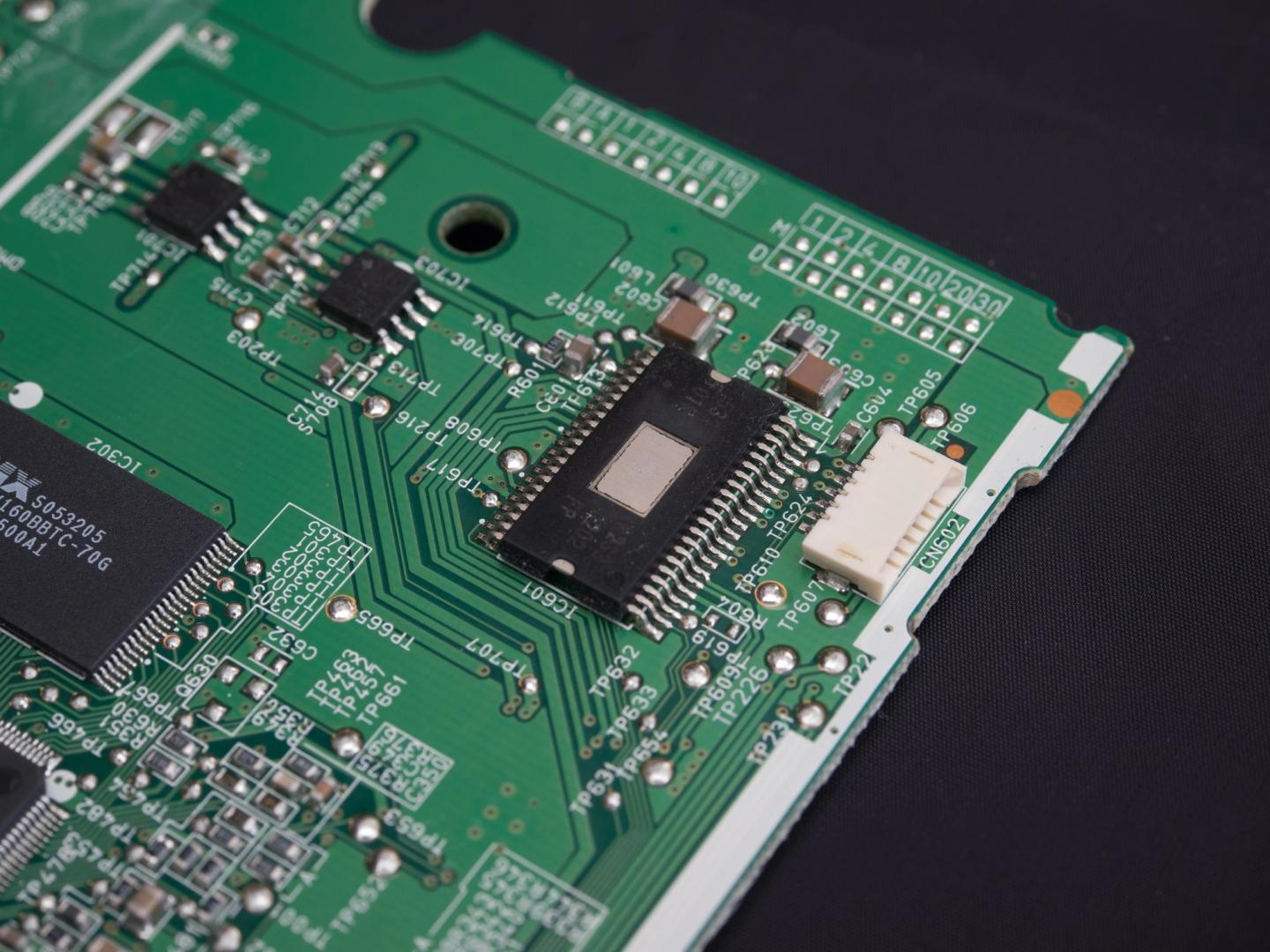
Micron Technology’s recent earnings blowout has triggered a massive rally in tech stocks, inadvertently drawing capital away from the cryptocurrency market as investors chase AI-driven gains.
Micron's 16% stock surge fueled by AI demand has diverted capital away from the crypto market, highlighting a growing rivalry for liquidity between high-tech stocks and digital assets.
Wall Street witnessed a dramatic shift this week as Micron (MU) reported financial results that far exceeded analyst expectations. The U.S.-based semiconductor giant saw its stock price climb over 16% in a single trading session, sparking a frenzy in the broader Artificial Intelligence (AI) sector. For American crypto investors, this surge is more than just a stock market headline; it represents a major shift in where "smart money" is flowing right now.
The AI Boom vs. The Crypto Rally
There is a limited pool of speculative capital (money used for high-risk, high-reward investments) in the U.S. markets. When a blue-chip tech company like Micron proves that the AI revolution is generating real, taxable profits, investors often rotate funds out of volatile assets like Bitcoin and into proven hardware leaders.
While the long-term outlook for digital assets remains focused on decentralization, the short-term reality is dominated by liquidity (the ease with which an asset can be bought or sold without affecting its price). Currently, data suggests that the excitement surrounding AI memory chips is acting as a "liquidity sink," pulling attention away from the latest decentralized finance protocols.
"The massive demand for high-bandwidth memory confirms that the AI infra-trade is far from over, and it's competing directly for the same risk-on dollars that typically fuel crypto bull runs."
Why Micron Matters to the Blockchain Ecosystem
Micron specializes in DRAM (Dynamic Random-Access Memory) and NAND flash storage. These components are essential for High-Performance Computing (HPC), which powers both AI training models and high-end cryptocurrency mining rigs. The scarcity or high price of these chips can affect the operational costs for large-scale mining firms based in the United States.
According to market data on CoinGecko, many AI-themed tokens actually experienced a slight boost following the Micron news, even as the broader market consolidated. This suggests a growing correlation (a statistical measure of how two assets move in relation to each other) between physical hardware success and digital asset sentiment.
- Increased Demand: AI firms are now outbidding miners for the best silicon.
- Institutional Shift: Hedge funds are rebalancing portfolios to include more semiconductors.
- Innovation Spillover: Better memory chips eventually lead to faster, more efficient blockchain nodes.
Understanding the Market Correlation
US investors should observe how the Nasdaq 100 frequently dictates the movement of Bitcoin. When major tech earnings are released, we often see a "sell the news" event in crypto. This happens because institutional traders look to lock in USD-denominated profits from their crypto holdings to cover their expanded positions in surging equities like Micron or Nvidia.
- Watch for the VIX (Volatility Index) to see if the overall market is becoming fearful.
- Analyze the DXY (US Dollar Index) to determine if the dollar is strengthening against other currencies.
- Monitor the volume of Bitcoin ETFs (Exchange Traded Funds) during major tech earnings weeks.
What This Means for USA Investors
For those filing taxes with the IRS (Internal Revenue Service), rotating out of crypto to buy Micron stock triggers a taxable event. Every time you sell a digital asset for a gain in the U.S., you are liable for capital gains tax, regardless of whether you keep the money on an exchange like Coinbase or Kraken.
The SEC (Securities and Exchange Commission) continues to scrutinize the line between utility tokens and securities, but traditional stocks like Micron offer a regulated way to play the "compute" narrative. Currently, most American investors find it easier to hold MU in an IRA or 401(k) compared to direct crypto holdings, which adds to the capital flight during blowout earnings cycles.
Furthermore, state-level regulations in places like New York or Washington can limit which altcoins you can buy, making a high-performing Nasdaq stock a simpler path for many. However, the potential for asymmetric returns (gains that are much higher than the initial risk) remains the primary draw for keeping a portion of your portfolio in digital assets despite the tech stock allure.
Strategic Outlook for the Quarter
As we move through the fiscal year, the intersection of AI and blockchain will likely tighten. Investors should look for DePIN (Decentralized Physical Infrastructure Networks) projects that attempt to solve the chip shortage. These projects aim to create a decentralized marketplace for computing power, essentially trying to do for hardware what Bitcoin did for money.
While Micron’s success might feel like a "blow" to crypto bulls today, it validates the massive need for the very technology that makes digital finance possible. Staying diversified across both the hardware layer (stocks) and the protocol layer (crypto) remains the most prudent path for the modern American investor.
Key Takeaways
- Monitor how AI stock breakouts often lead to temporary liquidity drains in BTC and major altcoins.
- Recognize that high-performance memory chips are the backbone of both AI and crypto mining hardware.
- Evaluate your portfolio balance between traditional tech equities and high-risk digital assets.
- Understand that favorable earnings for U.S. chipmakers often signal a stronger overall dollar environment.