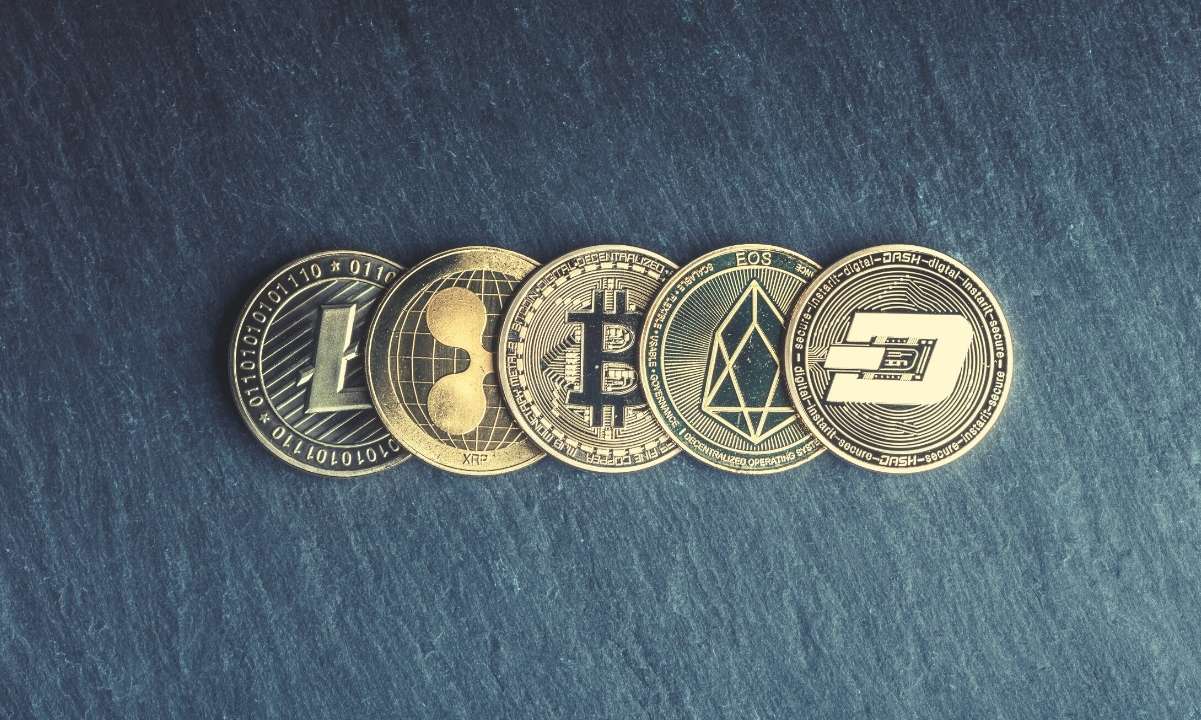
Most altcoins are currently failing to beat Bitcoin's performance, with 84% of the market in a state of 'total underperformance' as institutional capital favors established assets.
Recent market data reveals that 84% of altcoins are currently underperforming Bitcoin, suggesting that the era of massive 'altcoin seasons' may be shifting toward a Bitcoin-heavy market structure.
American investors who have been waiting for a classic "altcoin season"—a period where smaller cryptocurrencies skyrocket in value—are facing a harsh reality check. While Bitcoin has seen significant price action driven by the launch of spot ETFs in the United States, the broader market of alternative coins (altcoins) has largely stalled. This trend suggests a fundamental shift in how the crypto market operates in 2024 and beyond.
The Death of the Traditional Altcoin Season
In previous market cycles, a surge in the price of Bitcoin would typically lead to a massive overflow of capital into smaller projects. Investors would "rotate" their profits from Bitcoin into Ethereum and then into "micro-cap" tokens (cryptocurrencies with small total market valuations). However, recent data indicates this pattern has been broken, leaving many retail portfolios in the red.
According to current market metrics, the vast majority of tokens launched in the last three years are trading significantly below their all-time highs. This "crypto apocalypse" isn't a total market crash, but rather a narrowing of the market where only a few winners survive while the rest fade into obscurity. Market fragmentation is the new normal, where thousands of new tokens compete for limited liquidity.
"The historical correlation between Bitcoin rallies and altcoin explosions is weakening as the market matures and institutional players prioritize regulatory clarity over speculative upside."
Why Bitcoin Is Winning the Race
The primary reason for this underperformance is the shift in liquidity (the ease with which an asset can be bought or sold without affecting its price). Most of the new money entering the space is coming through regulated channels in the USA. These investors are not buying obscure tokens on decentralized exchanges; they are buying Bitcoin through brokerage accounts.
- Institutional Focus: Large hedge funds and pension funds are restricted to Bitcoin and sometimes Ethereum.
- Token Oversupply: Thousands of new tokens are launched daily, diluting the available capital across too many projects.
- Vesting Schedules: Many newer projects have "predatory" tokenomics where early venture capital investors dump their shares on retail buyers.
The Impact of Low Liquidity on Altcoins
When liquidity is thin, even small sell orders can cause a token's price to crater. Many US investors are discovering that while their altcoins may have a high theoretical "market cap," actually selling those tokens for USD is becoming increasingly difficult without causing a price collapse. This is particularly true for projects within the Investopedia DeFi explainer ecosystem that haven't maintained active user bases.
- Check the 24-hour trading volume before investing in any altcoin.
- Research the percent of the total supply that is currently circulating.
- Avoid projects with high annual inflation rates that devalue your holdings.
What This Means for USA Investors
For investors in the United States, the underperformance of altcoins has direct implications for tax strategy and portfolio management. The IRS (Internal Revenue Service) treats every crypto-to-crypto trade as a taxable event. If you are swapping underperforming altcoins for Bitcoin, you may be able to harvest tax losses to offset other capital gains, which is a common strategy on platforms like Coinbase and Kraken.
Regulatory and Exchange Availability
The SEC (Securities and Exchange Commission) has labeled several prominent altcoins as unregistered securities. This has led US-based exchanges like Gemini and Robinhood to delist certain tokens. Before buying an altcoin, American investors must verify if the asset is available on a compliant US exchange or if they are taking on the additional risk of using offshore platforms.
The USD Cross-Rate Factor
Since most altcoins are paired against Bitcoin (the ALTS/BTC pair), their value in US Dollars (USD) only rises if they grow faster than Bitcoin itself. If Bitcoin goes up 10% and your altcoin only goes up 2%, you have effectively lost purchasing power compared to simply holding Bitcoin. This is the core of the "underperformance" metric currently haunting 84% of the market.
Survival of the Fittest in 2024
While the "apocalypse" sounds dire, it likely indicates a healthy flushing out of "ghost projects" (cryptocurrencies with no active development or users). Moving forward, investors should focus on assets with clear utility and strong institutional backing in the US. The days of buying any random token and expecting a 100x return are likely over, replaced by a more sophisticated and discerning market environment.
Key Takeaways
- Analyze the staggering 84% failure rate of altcoins attempting to outperform Bitcoin's recent gains.
- Recognize the shift in market liquidity as institutional capital flows primarily into Bitcoin ETFs.
- Evaluate the impact of high-inflation tokenomics on newer project valuations during the bear cycle.
- Determine why traditional 'altseason' patterns failed to trigger during the most recent market rally.
- Monitor Bitcoin dominance levels as a primary indicator for future altcoin investment opportunities.