The future of the global financial system depends on whether policymakers can successfully integrate tokenization without creating new, unmanaged risks in the digital infrastructure.
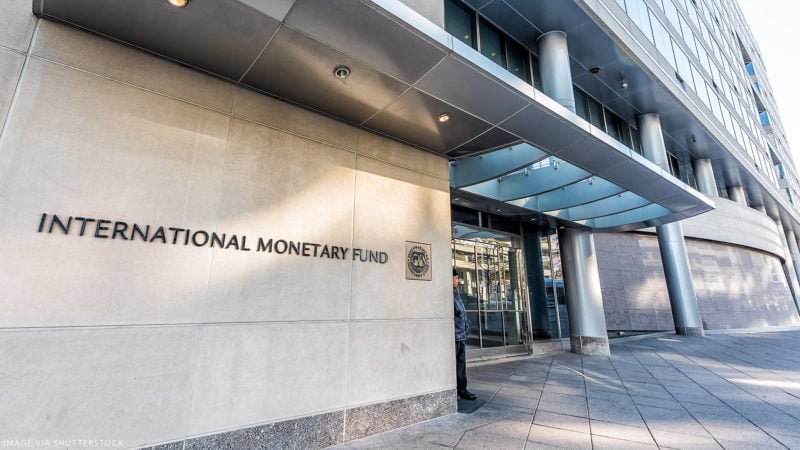
The International Monetary Fund (IMF) warns that while tokenization can improve market efficiency, poor policy choices risk fragmenting the global financial system and shifting systemic dangers to smart contracts.
Financial leaders at the International Monetary Fund (IMF) are raising the alarm regarding the rapid growth of tokenization—the process of converting rights to an asset into a digital token on a blockchain. For American investors, this shift represents a move toward 24/7 markets and instant settlements, but it also introduces complex regulatory hurdles.
The Shift from Banks to Blockchain Infrastructure
Traditionally, financial risks have been concentrated within large commercial banks. However, as more assets move onto the blockchain, the IMF suggests these risks are migrating toward market infrastructure providers and the code itself.
When we talk about smart contracts (self-executing code with the terms of the agreement directly written into lines of code), we are looking at a new frontier of risk. If a piece of code fails or is exploited, the fallout could be instantaneous and widespread.
This transition means that the stability of your investment may no longer depend solely on a bank's balance sheet. Instead, it depends on the technical integrity of the underlying network and the security of the automated protocols managing the assets.
The Fragility of a Fragmented Financial System
One of the primary concerns highlighted is the potential for market fragmentation. This occurs when different countries or platforms create isolated digital ecosystems that cannot communicate with one another.
If the US develops one standard for tokenized stocks while Europe or Asia develops another, the efficiency gains of blockchain are lost. Investors could find themselves stuck in "walled gardens" where liquidity—the ease of buying or selling an asset without changing its price—is severely limited.
"Policy choices will determine whether the benefits of tokenization are realized or if the financial system becomes more fragmented and less stable than it is today."
To prevent this, international bodies are calling for a unified approach to regulation. This would ensure that interoperability (the ability of different computer systems to exchange and make use of information) remains a core feature of the new digital economy.
New Risks for Smart Contracts and Protocols
As Real World Assets (RWAs) like real estate and Treasury bonds move on-chain, the reliance on automated systems grows. The IMF points out that while this reduces human error, it increases the "velocity" of potential crises.
- Programming Flaws: Bugs in the smart contract code can lead to a total loss of investor funds.
- Governance Centralization: If a few individuals control the updates to a protocol, the system is not truly decentralized.
- Operational Resilience: The physical servers and validators running the blockchain must remain online and secure from cyberattacks.
Managing these risks requires a new framework for oversight. Investors must now do due diligence not just on the asset, but on the technical audit of the platforms they use.
What This Means for USA Investors
For those using platforms like Coinbase, Kraken, or Gemini, the IMF’s stance signals that tighter federal oversight is inevitable. The US government is currently weighing how to classify these tokenized products under existing law.
The SEC (Securities and Exchange Commission) has been clear that most tokenized assets effectively function as securities. This means they must comply with strict disclosure and registration rules. You can learn more about the current regulatory environment via the official SEC Crypto Assets portal.
- IRS Tax Treatment: Tokenizing an asset is generally a taxable event in the US. Switching from a physical stock to a tokenized version may trigger capital gains taxes.
- Consumer Protection: Increased focus on infrastructure means US exchanges may be forced to carry higher insurance premiums or meet stricter capital requirements.
- USD Dominance: Much of the tokenization movement is powered by stablecoins (cryptocurrencies pegged to a steady asset like the US Dollar). The stability of the Dollar is central to this entire transition.
The Road Ahead for Digital Assets
The transition to a tokenized world is not a matter of "if," but "how." If the US leads in creating clear, fair rules, it could cement its position as the global hub for digital finance.
However, if regulation remains unclear, innovation might move offshore, leaving American investors with fewer safe options. Monitoring the CFTC (Commodity Futures Trading Commission) and SEC updates will be crucial for anyone holding digital assets in the coming years.
Key Takeaways
- Recognize that tokenization moves financial risks from traditional banks to blockchain infrastructure.
- Monitor how international policy decisions will dictate the future stability of digital asset markets.
- Understand that smart contract vulnerabilities are now viewed as systemic threats by global regulators.
- Prepare for increased oversight of market infrastructure providers by US agencies like the SEC.
- Evaluate the potential for market fragmentation if global standards for tokenized assets are not met.