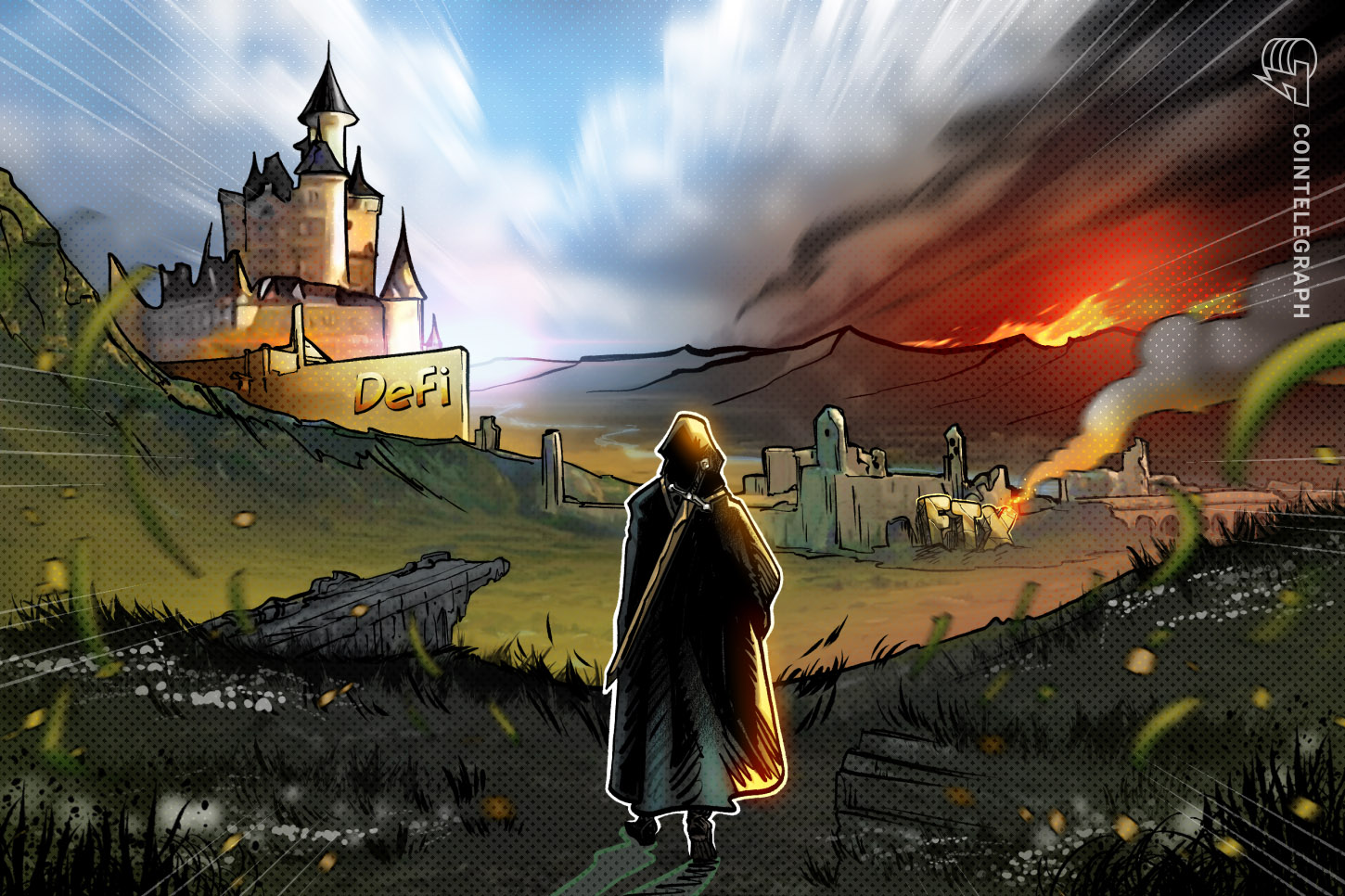
The Decentralized Finance (DeFi) sector saw its Total Value Locked (TVL) plummet by 39% in 2026, driven by a volatile mix of market corrections and catastrophic security breaches.
The Total Value Locked (TVL) in Decentralized Finance (DeFi) fell by 39% in 2026, erasing roughly $45 billion as a combination of market-wide price declines and high-profile security exploits cooled investor sentiment.
Early 2026 has proven to be a challenging period for US-based crypto investors as decentralized finance (DeFi)—a system that allows for lending and trading without traditional banks—faced a sharp valuation decline. This contraction comes after a period of rapid growth, reminding participants that the frontier of finance remains highly experimental. For traders using platforms like Coinbase or Kraken to access these ecosystems, the sudden shift highlights the risks inherent in automated protocol designs.
Understanding the 39% TVL Correction
Total Value Locked (TVL) is a metric used to represent the dollar value of all assets deposited in DeFi protocols for activities like lending, borrowing, and liquidity provision (providing funds to facilitate trades). When TVL drops, it usually signals two things: asset prices are falling, or users are withdrawing their funds. In 2026, both occurred simultaneously.
The primary driver was a broader market downturn that saw major assets like Bitcoin and Ethereum lose significant ground. Because most DeFi applications are built on Ethereum, the dollar-denominated value of the ecosystem naturally shrinks when the underlying tokens lose value. According to data tracked by CoinGecko, the global crypto market cap experienced similar percentage declines during this window.
The Role of Major Exploits and Hacks
Beyond simple market movements, the DeFi sector was rocked by a series of high-profile exploits. Cybersecurity remains the "Achilles' heel" of decentralized protocols. When a project like Kelp DAO suffers an exploit (a vulnerability in code exploited by hackers), it doesn't just hurt that specific project; it creates a "contagion effect" across the industry.
"The 2026 downturn serves as a stark reminder that smart contract security is not a luxury but a necessity for the long-term survival of decentralized systems."
Investors often rush to withdraw liquidity from neighboring protocols when one falls, fearing they could be next. This mass exodus often leads to a "liquidity crunch" (a situation where there isn't enough cash or liquid assets to go around), further depressing the TVL numbers as users flee to the safety of cold storage wallets or centralized exchanges.
Key Factors Behind the Shrinking Ecosystem
- Asset Devaluation: A 40% drop in ETH price directly impacts the TVL of all protocols built on that blockchain.
- Risk Aversion: High-profile hacks lead to investors moving capital to "risk-off" assets like Treasury bills or high-yield savings accounts.
- Regulatory Uncertainty: Fears of new US government crackdowns on non-KYC (Know Your Customer) platforms discouraged new institutional inflows.
The combination of these factors created a perfect storm for the 39% decline. While $45 billion in value evaporated, some analysts argue this is a necessary "cleansing" of the market, removing unsustainable protocols and over-leveraged positions.
The Road to Recovery for DeFi
To regain the lost Billions, the industry must focus on three core areas. Without these improvements, attracting the next wave of American retail investors will be difficult. The steps include:
- Implementing mandatory third-party audits for all major protocol updates.
- Developing decentralized insurance products that actually cover user losses during hacks.
- Creating more user-friendly interfaces that help beginners understand the risks of yield farming (earning interest on crypto).
What This Means for USA Investors
For American investors, the 39% drop in TVL has direct implications for their IRS tax filings. If you held assets in a protocol that was hacked, you may be wondering if you can claim a "theft loss" deduction. However, current US tax law is very restrictive on these deductions for individual investors, and it is vital to consult a professional before writing off these losses.
Furthermore, the Securities and Exchange Commission (SEC) and the Commodity Futures Trading Commission (CFTC) monitor these TVL drops closely. Volatility often leads to increased calls for consumer protection regulations. While local exchanges like Coinbase and Gemini offer more security, they often provide lower yields than the decentralized protocols currently under pressure. US investors should maintain at least 50% of their holdings in established, audited assets until the TVL stabilizes.
Key Takeaways
- Identify a 39% decrease in the total value managed by decentralized protocols during early 2026.
- Evaluate the impact of high-profile security breaches, such as the Kelp DAO exploit, on protocol trust.
- Monitor the correlation between declining Ethereum prices and the shrinking value of locked assets.
- Understand the shift in investor capital toward safer yields or cash-equivalent stablecoins.
- Assess how the current downturn affects future regulatory scrutiny for US-based DeFi services.