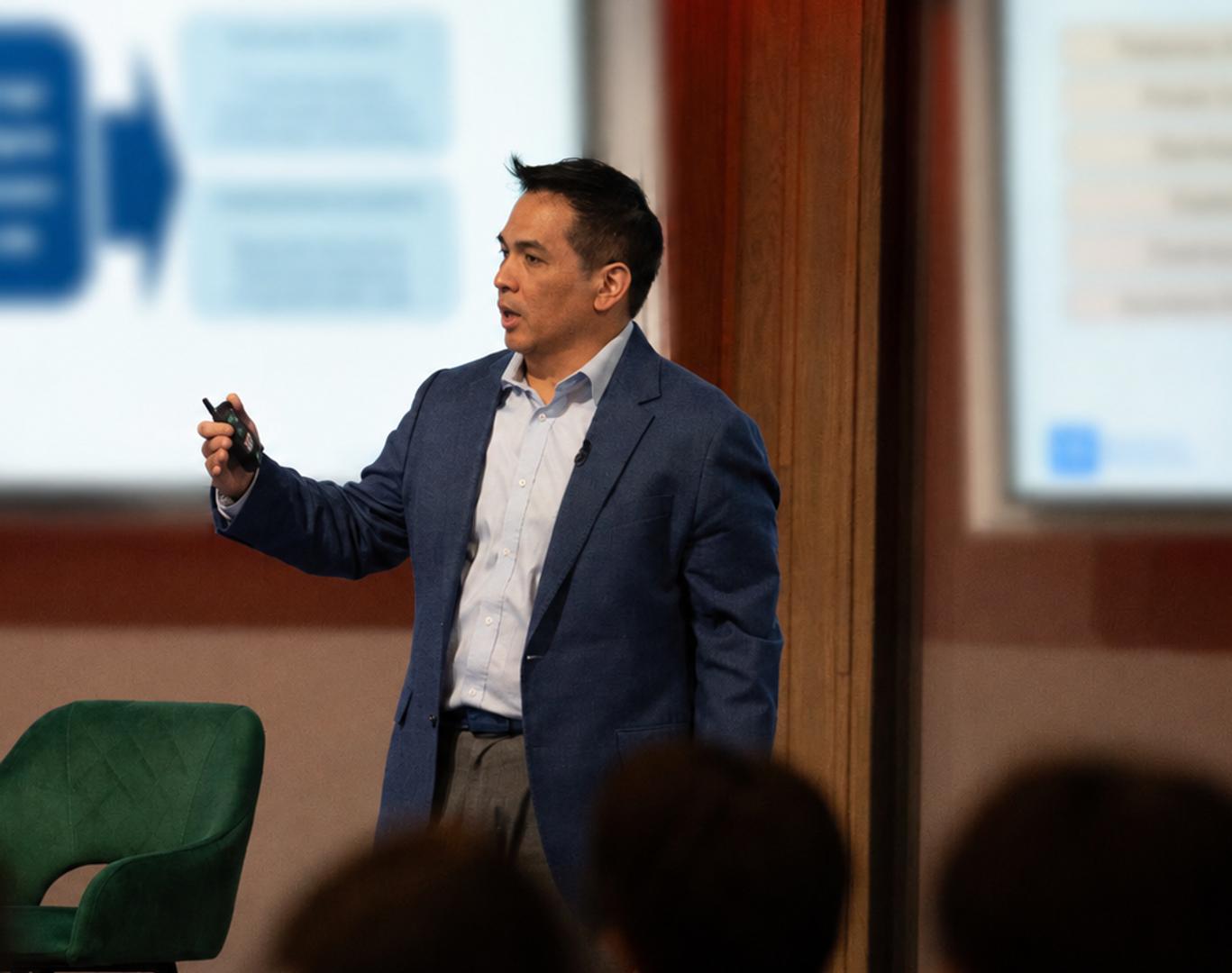
Crypto tokenization is set to transform the way American investors manage their wealth by enabling the creation of highly personalized, multi-asset portfolios on the blockchain.
Financial leaders at New York Life Investment Management (NYLIM) believe blockchain tokenization will empower everyday investors to build highly personalized portfolios that were previously only available to the ultra-wealthy.
Wall Street is shifting its gaze toward the practical utility of blockchain technology. Local industry leaders, including executives from New York Life Investment Management (NYLIM), are highlighting how tokenization (the process of converting physical or digital assets into digital tokens on a blockchain) is the key to unlocking better investment results for the average American.
By moving assets onto a shared ledger, financial institutions can offer level-of-service and customization that was previously impossible due to high administrative costs in the legacy banking system. This evolution matters to U.S. investors because it effectively democratizes sophisticated strategies once reserved for the 1%.
Breaking Down Tokenized Personalized Portfolios
Traditional finance relies on rigid structures like Mutual Funds or ETFs (Exchange Traded Funds). While useful, these vehicles offer a "one-size-fits-all" approach. Tokenization allows for the creation of RWA (Real World Assets) that can be split into tiny fractions and woven into a specific investor's strategy.
Institutional experts suggest that blockchain can manage thousands of individual accounts simultaneously with extreme precision. This allows for "mass customization," where your portfolio automatically adjusts for your specific risk tolerance, tax situation, and financial goals without needing a human manager to manually trade every single asset.
"Blockchain technology enables a level of fractionalization and automated compliance that makes the traditional T+2 settlement cycle look like ancient history."
Why Traditional Finance is Moving to the Chain
The primary hurdle for personalized portfolios in the past has been the high cost of transactions and record-keeping. Using Smart Contracts (self-executing code on a blockchain), these costs vanish. Financial giants are already testing these systems to reduce friction.
- Increased Liquidity: Tokenizing illiquid assets like real estate makes them easier to buy and sell.
- Transparency: Investors can verify their holdings in real-time on a public or private ledger.
- 24/7 Markets: Unlike the NYSE, blockchain markets never close, allowing for constant portfolio updates.
Investors can track the growth of these tokenized sectors using tools like CoinGecko to see how real-world asset tokens are performing against standard cryptocurrencies like Bitcoin.
The Shift from ETFs to Direct Ownership
We are likely moving toward a future of Direct Indexing. Instead of buying a fund that owns 500 stocks, you own the individual tokens for those stocks directly. This allows for "tax-loss harvesting," where you sell specific losing positions to offset your capital gains taxes.
- An investor chooses a base strategy (like the S&P 500).
- The blockchain-based system removes tokens that conflict with the investor's ethics or existing holdings.
- The system automatically executes trades to keep the portfolio balanced.
What This Means for USA Investors
For Americans, the rise of tokenization is a double-edged sword involving both opportunity and regulation. The SEC (Securities and Exchange Commission) has been closely monitoring how tokenized assets are classified, often viewing them as securities if they promise a profit from the efforts of others. This means U.S. investors should expect to access these products via regulated platforms like Coinbase or Kraken rather than offshore unregulated sites.
From a tax perspective, the IRS (Internal Revenue Service) treats cryptocurrency and tokenized assets as property. Every time your personalized portfolio rebalances by selling one token for another, it may trigger a taxable event. US investors must keep meticulous records or use automated tax software to stay compliant with capital gains requirements.
Availability on US Exchanges
Currently, American investors can access early forms of tokenization through stablecoins (tokens pegged 1:1 to the US Dollar) and certain tokenized gold products on Gemini or Kraken. As the legal framework matures, we expect to see tokenized T-Bills and private equity funds become standard offerings in US-based brokerage accounts.
Key Takeaways
- Identify tokenization as the primary driver for the next generation of custom asset management.
- Recognize that blockchain technology enables complex portfolio construction beyond traditional finance limits.
- Understand that fractional ownership will allow retail investors to access high-value institutional assets.
- Anticipate a shift where smart contracts automate the balancing of multi-asset personal portfolios.