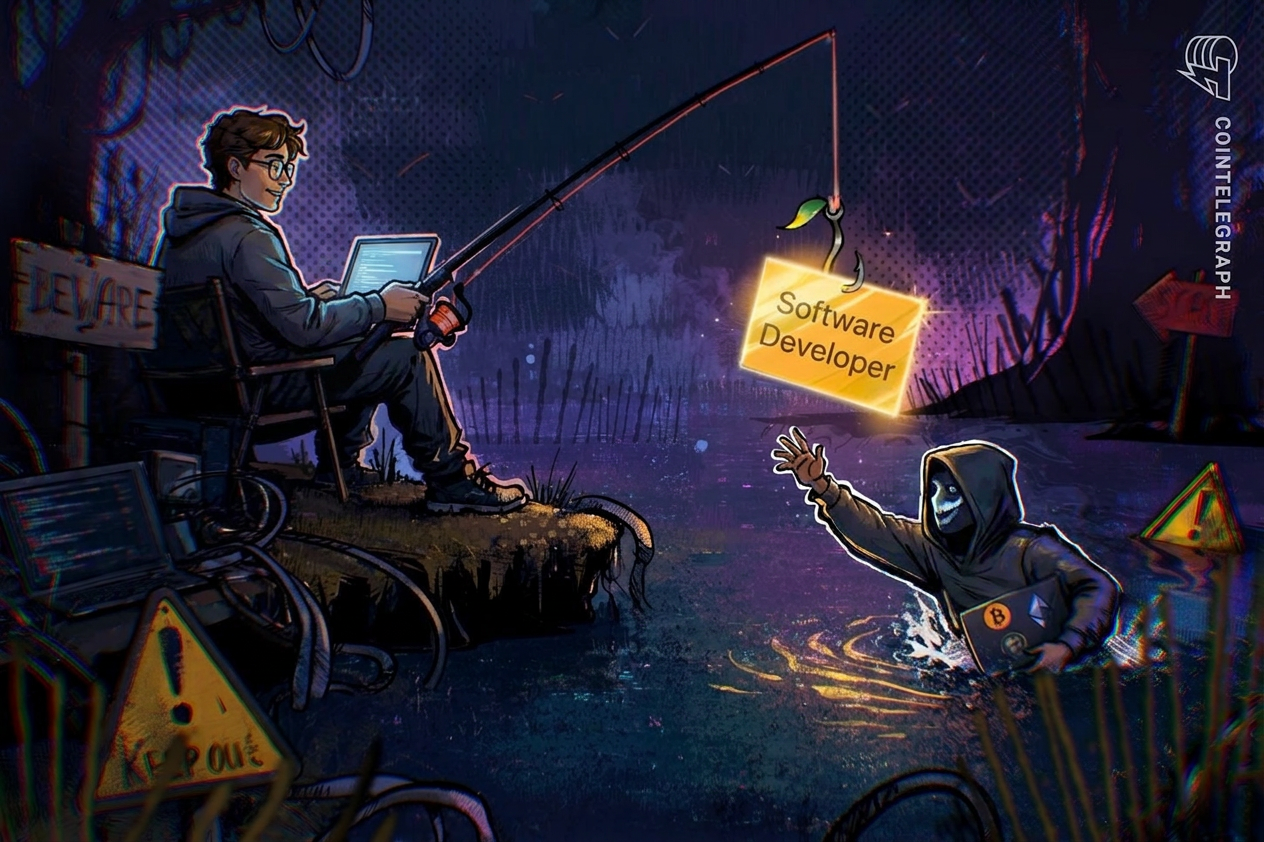
Consensys, the powerhouse developer behind MetaMask, inadvertently hired a North Korean operative as a software developer, raising major red flags for the security of the broader Ethereum ecosystem.
Major Web3 firm Consensys unknowingly hired a developer tied to North Korea who bypassed background checks via a third-party service provider.
The incident occurred after a supposedly "reputable" third-party staffing firm recommended the candidate. This news highlights a growing trend of state-sponsored actors seeking employment within American crypto firms to gain access to sensitive codebases or redirect funds to sanctioned regimes. For US investors, this serves as a stark reminder that even the most established protocols are vulnerable to sophisticated social engineering and recruitment fraud.
The Infiltration of a Crypto Giant
Consensys is widely considered the backbone of the Ethereum network. By managing MetaMask (the world’s most popular software wallet) and Infura (a suite of tools for connecting apps to the blockchain), the company holds significant influence over the user experience of millions of Americans.
According to recent reports, the rogue developer was hired through an intermediary service that failed to detect the operative's ties to the Democratic People's Republic of Korea (DPRK). This method allows hackers to bypass standard KYC (Know Your Customer) identity verification processes that platforms like CoinGecko track for market transparency. The operative likely used a high-quality deepfake or stolen identity to pass preliminary interviews.
How North Korea Targets US Web3 Companies
The FBI has issued multiple warnings regarding North Korea's strategy of placing remote workers in technology roles. These workers often send their high salaries back to the regime to fund weapons programs or use their internal access to plant backdoors (hidden entry points in software code) for future exploits.
- Advanced Identity Theft: Using stolen US social security numbers and remote desktop software to appear as if they are working from within the States.
- Third-Party Blind Spots: Exploiting the lack of rigorous vetting in specialized tech recruiting firms.
- Salary Redirection: Funneling six-figure USD developer salaries through diverse crypto mixers to evade Treasury sanctions.
"The threat from North Korean IT workers is no longer theoretical; it is a clear and present danger to the integrity of the US financial technology stack."
What This Means for USA Investors
For the average US investor holding assets on Ethereum, this breach is a wake-up call regarding systemic risk (the risk that an entire market or infrastructure could fail). While Consensys has moved to remediate the situation, the incident places the spotlight on the SEC (Securities and Exchange Commission) and the Treasury Department, who are already weary of crypto's role in sanction evasion.
If you use Coinbase, Kraken, or Gemini, your exchange-held assets are likely safe. However, if you use self-custody wallets like MetaMask, you must stay vigilant regarding software updates. The IRS also monitors these types of events, as exploits resulting in lost funds can be difficult to claim as theft losses under current tax laws.
Protecting Your Assets in a Compromised Environment
Security experts recommend that US users transition to hardware wallets (physical devices that store private keys offline) for any significant amount of capital. Relying solely on software developed by remote teams—no matter the company's size—now carries an added layer of geopolitical risk.
- Enable 2FA: Always use non-SMS two-factor authentication for linked accounts.
- Revoke Permissions: Use tools to clear old smart contract approvals that you no longer use.
- Diversify Custody: Avoid keeping 100% of your holdings in a single software wallet.
Lessons for the Crypto Direct-Hiring Market
Moving forward, American firms will likely implement more stringent background checks, including mandatory in-person verifications or proprietary vetting processes that move beyond what third-party recruiters offer. The goal is to ensure that the Open Source (publicly accessible) code US investors rely on is not being manipulated by bad actors.
Key Takeaways
- Identify how North Korean operatives use fake identities to infiltrate top-tier US crypto companies.
- Recognize the risks third-party hiring platforms pose to decentralized application security.
- Understand the potential impact on MetaMask and Infura users following this development breach.
- Review your own security posture as state-sponsored actors shift focus to internal software access.