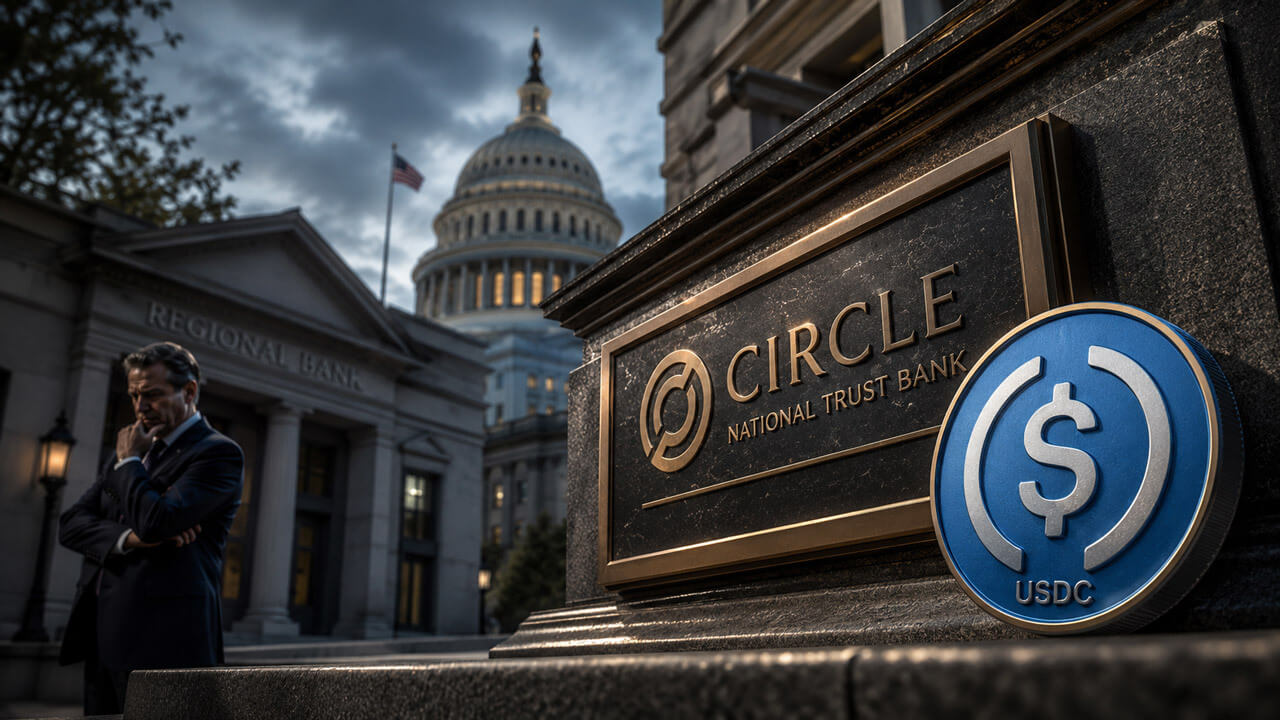
Circle has achieved a historic milestone in the digital finance space by securing final approval from the Office of the Comptroller of the Currency (OCC) to operate as a national trust bank.
Circle has received final approval from the Office of the Comptroller of the Currency (OCC) to operate as a federal trust bank, a move that critics warn could drain $500 billion from the traditional US banking system.
This development marks a significant shift in the American financial landscape. Circle, the issuer of USD Coin (USDC), is now under federal supervision in Washington, potentially changing how stablecoins (digital assets pegged to the value of the US Dollar) are viewed by institutional players. For US investors, this adds a layer of regulatory legitimacy to one of the world's most popular digital currencies. However, the move has triggered alarm bells among traditional lenders who fear a massive exodus of deposits from the legacy banking system.
The Rise of a Crypto-Native National Bank
The approval from the OCC allows Circle to function as a federal trust bank, a specific type of financial institution that manages assets but does not typically offer traditional consumer loans. This charter puts Circle on a similar regulatory footing to some of the largest custodial banks in the United States. By moving under federal oversight, Circle aims to streamline its operations and reduce its reliance on third-party commercial banks to hold its reserves.
For years, the crypto industry has sought clear paths to federal integration. This move specifically strengthens the infrastructure behind USDC, ensuring that the technology used to settle transactions is governed by the same standards as traditional financial trust services. Investors can monitor the market impact of this news by checking real-time stablecoin data on CoinGecko, which tracks the circulating supply and liquidity of these assets.
The $500 Billion Warning from Lenders
While Circle celebrates a regulatory win, traditional American lenders are issuing a stark warning. Financial analysts suggest that if stablecoins continue to gain institutional trust, they could drain up to $500 billion from traditional bank deposits. This process, often called "disintermediation," occurs when depositors move their cash out of savings accounts and into digital dollars like USDC to chase higher yields in decentralized finance (DeFi) platforms.
"The migration of liquidity from traditional balance sheets to digital asset protocols represents a fundamental shift in how capital is allocated in the 21st-century economy."
Local and regional banks are particularly concerned. These institutions rely on customer deposits to fund mortgages and small business loans. If half a trillion dollars moves into trust banks like Circle, the cost of borrowing for average Americans could potentially rise as banks lose their cheapest source of capital.
Why Liquidity Migration Matters
The concern stems from how money flows through the US economy. Here are the primary reasons lenders are worried about the new Circle charter:
- Deposit Flight: Customers may prefer the 24/7 liquidity of a blockchain-based trust bank over traditional banking hours.
- Reserve Requirements: Trust banks often hold reserves in highly liquid Treasury bills, which means that money is effectively removed from the private lending pool.
- Competitive Disadvantage: Traditional banks face stricter capital requirements than some digital asset issuers, creating an uneven playing field.
The Path to Mainstream Adoption
The transition to a federal trust bank doesn't happen overnight. Circle has undergone rigorous audits and compliance checks to satisfy the OCC. This process ensures that the entity can maintain segregated accounts, meaning investor funds are kept strictly separate from the company's operating capital. To better understand the timeline, consider the following steps in the regulatory journey:
- Initial application and preliminary conditional approval from the OCC.
- Rigorous technology and security audits of the USDC minting process.
- Final certification and integration into the federal banking oversight system.
- Ongoing compliance reporting and anti-money laundering (AML) monitoring.
What This Means for USA Investors
For the average US investor, this news is a double-edged sword. On one hand, having a stablecoin issuer regulated by the OCC provides more peace of mind regarding the safety of the underlying reserves. USDC is widely available on major US exchanges like Coinbase and Kraken, and this charter may lead to even wider acceptance in brokerage accounts.
From a tax perspective, the IRS generally treats the exchange of stablecoins for other cryptos as a taxable event. However, using USDC as a "cash-like" vehicle within a regulated trust bank might eventually simplify reporting if Circle integrates with U.S. tax software. Furthermore, this move signals a pivot in the SEC and CFTC posture, showing that while some crypto firms face lawsuits, others are finding a legitimate "front door" into the American financial system. Most USDC trading pairs are denominated in USD, making it the primary gateway for Americans entering the digital asset market.
Looking Ahead: The Future of Digital Dollars
As Circle begins its operations as a federal trust bank, the focus will shift to how other stablecoin issuers respond. Will competitors like Tether or Paxos seek similar charters? The competition for dollar-backed digital assets is heating up, and the winner will likely be the one that offers the most transparency and regulatory certainty. While the $500 billion drain is a concern for banks, it underscores the massive demand for digital-native financial services in the United States.
Key Takeaways
- Identify Circle's new status as a federally chartered trust bank under OCC supervision.
- Evaluate the risk of a $500 billion liquidity drain from traditional regional and commercial banks.
- Understand how USDC's new regulatory backing increases its appeal to institutional US investors.
- Monitor the growing tension between stablecoin issuers and the traditional American lending sector.