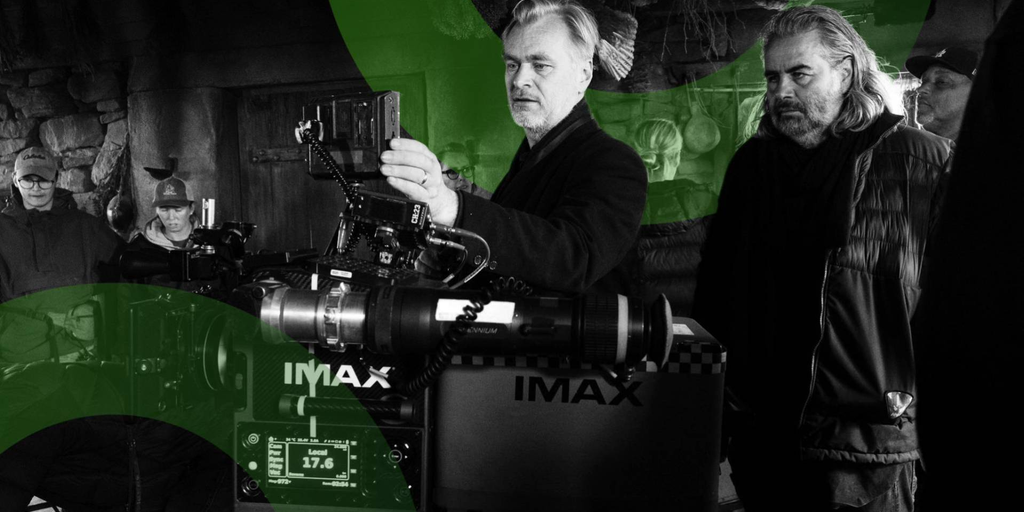
Oscar-winning director Christopher Nolan has observed that younger audiences are swiftly and harshly rejecting AI-generated content, often referred to as 'AI slop,' in favor of human-led creative works.
Acclaimed director Christopher Nolan states that younger audiences are immediately rejecting low-quality AI-generated content, prioritizing human authenticity in digital media.
During recent industry discussions, the filmmaker behind Oppenheimer and Inception noted a physical and cultural pushback against generative automation. For American investors and digital creators, this sentiment signals a massive shift in how the next generation values intellectual property (legal rights to creations) and digital assets. As artificial intelligence floods social media feeds, the 'immediate and harsh' judgment from Gen Z suggests that the novelty of AI is wearing off.
The Rise of AI Slop and Audience Backlash
The term 'AI slop' has gained traction among US internet users to describe low-quality, high-volume content produced by algorithms. Nolan argues that while technology is a tool, the younger demographic is particularly sensitive to the lack of 'soul' in automated media. This trend is not just about movies; it extends to the very foundation of the creator economy (the ecosystem where individual creators earn from digital content).
As we see more generative tools enter the mainstream, consumers are becoming more adept at spotting the 'uncanny valley' of AI. This is the phenomenon where artificial figures appear nearly human but just 'off' enough to cause revulsion. For Americans used to high-budget Hollywood standards, the flood of mediocre AI imagery on platforms like X (formerly Twitter) and Instagram is creating a brand fatigue that investors cannot afford to ignore.
"The younger generation's judgment of the current state of AI has been immediate and harsh, because they see it for what it is—a tool that is often being misused to bypass the human element."
Why Human Provenance Matters in the NFT Space
This cultural rejection of AI-heavy content has a direct impact on Non-Fungible Tokens (digital certificates of ownership stored on a blockchain). If the general public begins to view AI-generated art as 'disposable slop,' the market for generative NFT collections may face significant downward pressure. Conversely, 1-of-1 pieces created by human hands could see a massive liquidity premium (extra value due to scarcity and demand).
Investors should consider the following factors when evaluating digital media assets:
- Artist Reputation: Does the creator have a history of manual craftsmanship or is the work purely prompted?
- Scarcity: Is the asset part of a 10,000-piece automated set or a limited human series?
- Community Sentiment: Is the target demographic (Gen Z/Millennials) embracing the project or mocking it as 'slop'?
Understanding the difference between a tool and a replacement is vital. As noted in this Investopedia NFT explainer, the value of a digital token often relies on its uniqueness and the cultural significance of the underlying media.
The Economic Reality of Generative Media
The economic incentive for companies to use AI is obvious: it reduces the cost of production (the process of making the content). However, Christopher Nolan's critique highlights that saving money on production is useless if the final product has no marketable value. In the US market, where consumer attention is the most valuable currency, losing the interest of young viewers is a death sentence for any media franchise.
Consider the recent timeline of the AI-media intersection:
- The surge of deepfake technology in early 2023 led to initial viral amusement.
- The 2023 Hollywood strikes centered on protecting human likenesses from AI scraping (collecting data without permission).
- Late 2024 saw the emergence of the term 'AI slop' as a derogatory label for algorithmic content.
- High-profile directors like Nolan began publicly defending the 'theatrical experience' against digital shortcuts.
What This Means for USA Investors
For US-based investors navigating the intersection of crypto and AI, these comments serve as a warning. While the SEC (Securities and Exchange Commission) and CFTC (Commodity Futures Trading Commission) focus on the financial structure of these assets, the market value is driven by cultural relevance. If US audiences reject AI media, the utility (actual use case) of many AI-related tokens and NFT projects will plummet.
Furthermore, the IRS (Internal Revenue Service) treats NFTs as property, meaning that if your 'AI slop' loses value, you can only claim a capital loss if you sell the asset. On US exchanges like Coinbase or Kraken, the trend is shifting toward curated platforms. Investors should favor projects that emphasize human-in-the-loop systems, where AI is used to enhance human creativity rather than replace it entirely.
In the United States, the legal battle over copyright for AI-generated works is ongoing. Currently, the US Copyright Office generally does not grant protections to works created solely by machines. This creates a massive risk for any crypto project relying on AI, as their 'intellectual property' might not actually be protected by law, making the underlying tokens much riskier than those backed by human-authored content.
Key Takeaways
- Recognize that Gen Z and Millennial viewers are increasingly hostile toward unpolished AI-generated media.
- Understand why human-centered storytelling remains the primary driver of value in the entertainment industry.
- Analyze how the rejection of 'AI slop' could increase the premium on verified, high-quality NFT art.
- Monitor how major Hollywood figures influence public perception of generative technology and automation.
- Value rare digital assets that maintain clear provenance and human creative origins.