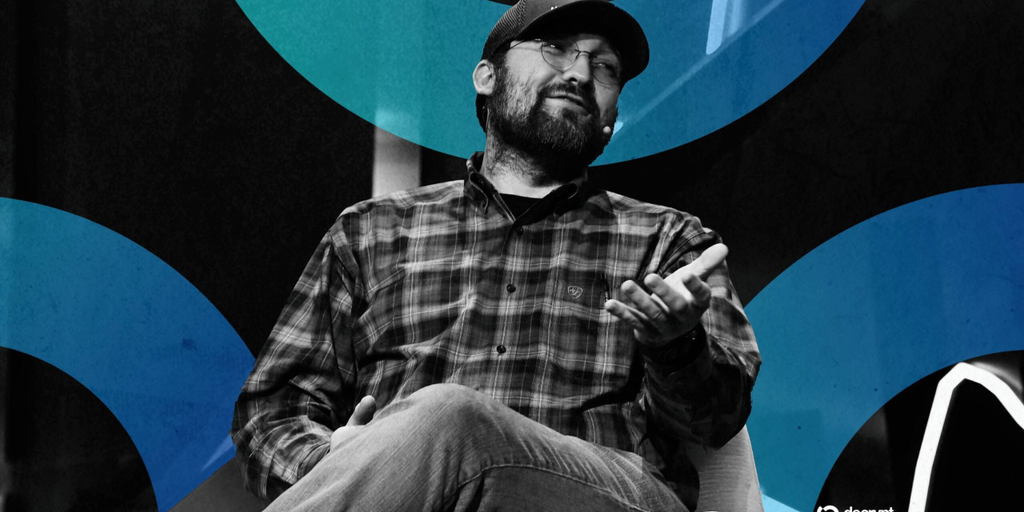
Cardano (ADA) is experiencing a significant price rally as its lead developer, Input Output Global (IOG), begins transferring core infrastructure management to independent community teams.
Cardano is surging in price as Input Output Global transitions network control to independent developer teams, marking a total shift toward a decentralized ecosystem.
This major organizational shift marks a turning point for the Cardano blockchain (a digital ledger for transactions) as it moves toward full decentralization (removing central authority control). American investors are increasingly eyeing the asset as it hits new local price highs. This transition aims to make the network more resilient against censorship and single points of failure.
The End of the IOG Era: Decentralizing Development
For years, Input Output Global has been the primary architect behind Cardano. Under the leadership of Charles Hoskinson, the firm provided much of the technical heavy lifting. Now, the network is entering a phase where independent development entities are taking the reins of the core protocol.
This move is part of the "Voltaire" era, the final stage in Cardano's multi-year roadmap. By spreading development across multiple teams, the network reduces its reliance on any one company. This strategy is designed to create a more robust and truly global open-source ecosystem.
Why Development Diversity Matters
When one company controls a blockchain, it creates a "centralization risk." If that company faces legal trouble or financial issues, the whole network could suffer. By moving to a multi-entity model, Cardano ensures that the code continues to evolve regardless of what happens to IOG.
Understanding the ADA Price Action
The market has responded positively to this news, with ADA prices jumping significantly in the last 24 hours. Investors typically view decentralization as a bullish (positive price movement) signal for long-term sustainability. The increase in trading volume suggests that both retail and institutional buyers are re-entering the space.
Cardano's native token, ADA, is used for paying transaction fees and for staking (locking up tokens to secure the network and earn rewards). As development becomes more decentralized, the utility of these tokens grows. Many analysts believe this news validates Cardano’s slow and steady research-driven approach.
"True decentralization is not just about who runs the nodes, but who writes the code. By diversifying developer entities, Cardano is setting a new standard for blockchain governance."
Impact on Decentralized Finance (DeFi)
Cardano’s DeFi ecosystem—a collection of financial services like lending and trading that operate without banks—stands to benefit. A more decentralized core may attract more developers to build Non-Fungible Tokens (NFTs) and other digital assets on the platform.
If you are new to the world of unique digital collectibles, you can learn more through this Investopedia NFT explainer. As the network matures, we expect to see more complex financial products launching on Cardano.
- Increased dApp Activity: More developer teams mean faster feature rollouts for decentralized applications (dApps).
- Network Security: A larger variety of contributors helps identify bugs and vulnerabilities more efficiently.
- Governance Growth: ADA holders will have more influence over which teams receive funding for future projects.
What This Means for USA Investors
For investors in the United States, the decentralization of Cardano is particularly relevant regarding regulation. The SEC (Securities and Exchange Commission) often looks at how centralized a project is when determining if a token is a security. Increased decentralization could potentially help Cardano's legal standing in the US.
From a tax perspective, it is important to remember that exchanging ADA or receiving staking rewards are taxable events according to the IRS. US users can easily trade ADA on major regulated platforms. These include:
- Coinbase: The largest US exchange with simplified reporting tools.
- Kraken: Known for robust ADA staking options and security features.
- Gemini: Offers a regulated environment for both retail and institutional traders.
The Road Ahead for Cardano
Looking forward, the success of this transition depends on how well the new independent teams collaborate. While IOG will still be involved, the power dynamic is shifting permanently. This is a critical experiment in decentralized governance at scale.
Investors should keep an eye on the upcoming protocol upgrades that will codify these changes into the network's software. As the barriers to entry for new developers drop, the competition within the Cardano ecosystem is likely to heat up, potentially driving further innovation and ADA price discovery.
Key Takeaways
- Identify why Cardano's new decentralization phase is driving retail investor confidence.
- Monitor how the shift from IOG to independent teams affects long-term network security.
- Understand the price action of ADA relative to the broader altcoin market surge.
- Assess the impact of protocol upgrades on Cardano's decentralized application ecosystem.
- Track potential tax implications for US-based ADA stakers after network changes.