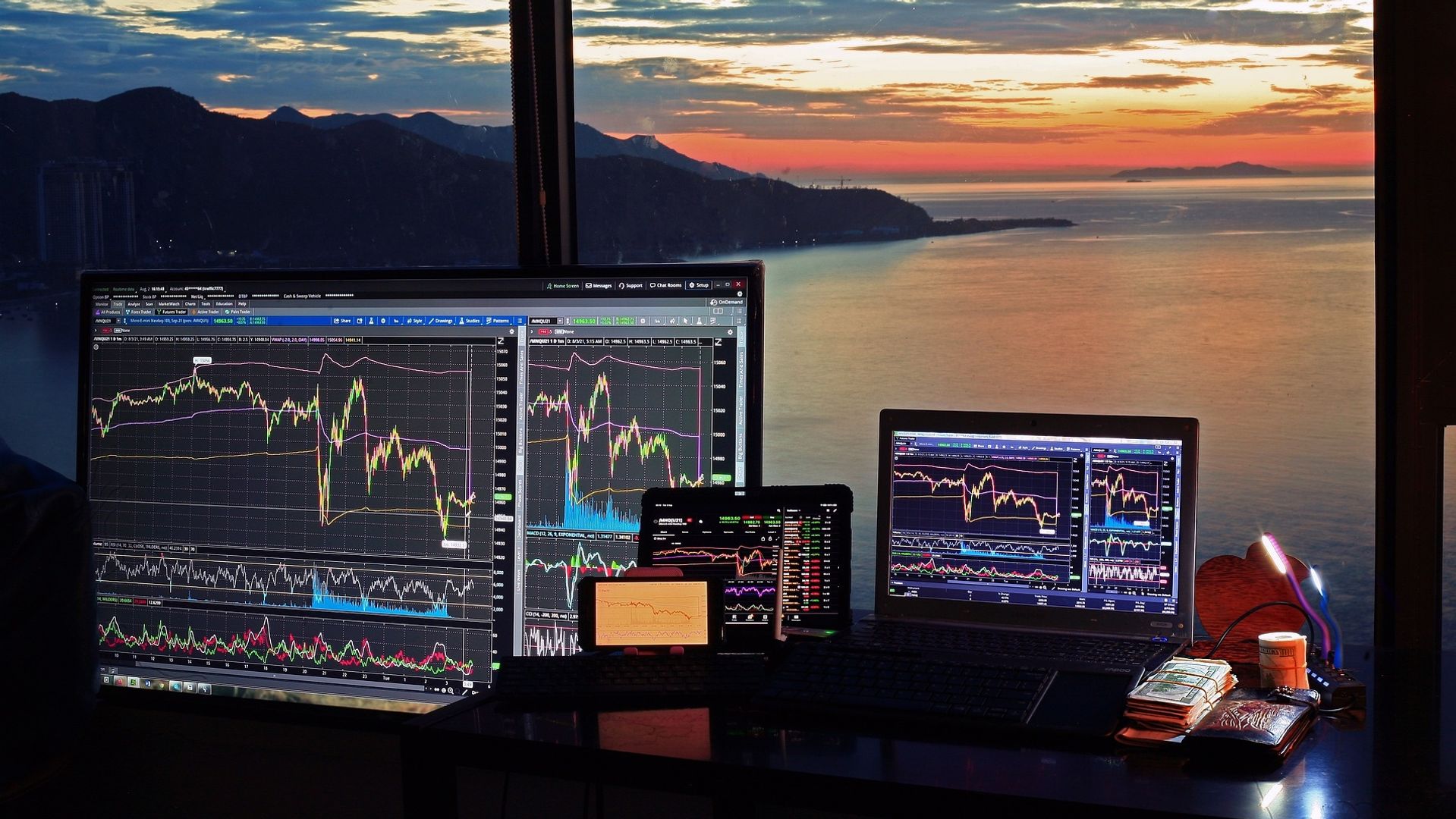
Bitcoin panic selling appears to be reaching an exhaustion point as data indicates that the average seller is no longer making a profit, historically signaling a market bottom.
Bitcoin panic selling is likely reaching exhaustion as seller profit margins have evaporated, forcing weak hands out and allowing long-term holders and institutional ETF buyers to stabilize the price.
USA crypto investors have watched Bitcoin navigate a rocky landscape recently, marked by geopolitical tension and fluctuating interest rates. However, despite a period of intense volatility, the "marginal seller" (the last remaining group of people willing to sell at current prices) seems to have finished their distribution. This shift matters to American investors as it suggests the downside risk may be limited moving forward.
The End of Profit Margins for Sellers
On-chain data suggests that the profitability of Bitcoin sellers has completely disappeared. When investors reach a point of zero profit, or even slight losses, they become less likely to sell, which effectively removes selling pressure from the market.
In crypto terminology, we call this capitulation (the stage where investors give up and sell at any price). Once the "weak hands"—short-term traders who bought high—exit the market, the remaining HODLers (long-term investors who refuse to sell) provide a solid floor for the price. This mechanic is exactly what analysts are observing in the current 2024-2025 cycle.
Resilience Against Global Conflict
Historically, Bitcoin has been viewed as a "risk-on" asset that drops when global unrest occurs. Yet, during recent escalations in the Middle East, Bitcoin showed surprising strength. Instead of a deep crash, the market held steady, suggesting that Bitcoin is beginning to act more like digital gold (a scarce asset used as a hedge against global instability).
Spot ETF Inflows Stabilize the Market
A major reason for this newfound stability is the massive participation of institutional investors through Spot ETFs (Exchange-Traded Funds that hold actual Bitcoin). These regulated financial products allow US retirement accounts and hedge funds to buy Bitcoin directly on the stock market.
- Institutional Support: Large firms are buying the dips that retail investors are selling.
- Liquidity Buffer: Continuous inflows into ETFs provide a constant source of buying demand.
- Market Maturity: The presence of BlackRock and Fidelity has changed how the market reacts to bad news.
According to current market data on CoinGecko, Bitcoin continues to dominate the total crypto market cap, further proving its status as the primary asset for large-scale investors during times of uncertainty.
"The disappearance of seller profit margins is often the final box to check before a significant upward trend resumes in a bull market cycle."
Understanding the Market Cycle
As we move past the panic phase, investors should look at the typical stages of a market recovery. This process usually follows a specific order of events that restores confidence in the blockchain (the decentralized digital ledger that records all transactions).
- Price Consolidation: The price moves sideways as buyers and sellers reach an equilibrium.
- Decreasing Exchange Reserves: Less Bitcoin is available on exchanges as investors move assets to private storage.
- Increased Sentiment: News cycles shift from fearful to cautious optimism.
- New All-Time Highs: Buying pressure eventually outweighs supply, leading to a breakout.
What This Means for USA Investors
For Americans, this market shift has several direct implications. First, the IRS (Internal Revenue Service) treats Bitcoin as property; if you sold during this panic, you may be realizing capital losses, which can potentially be used to offset other tax gains. Consult a CPA regarding "Tax Loss Harvesting" before the end of the fiscal year.
Secondly, the regulatory environment in the US is becoming clearer. With the SEC (Securities and Exchange Commission) having approved ETFs, the risk of a total ban has virtually vanished. Investors using platforms like Coinbase, Kraken, or Gemini should note that BTC liquidity remains high in USD pairs, making it easy to enter or exit positions.
Current Regulatory Posture
While the SEC and CFTC (Commodity Futures Trading Commission) continue to debate the status of altcoins (any cryptocurrency that isn't Bitcoin), Bitcoin remains the only asset with clear "commodity" status in the eyes of US regulators. This makes it the safest bet for those worried about government intervention.
Conclusion: Is the Bottom In?
While no one can predict the exact bottom with 100% certainty, the exhaustion of sellers is a powerful indicator. When people stop selling because there is no profit left to take, the only direction left to go is up—provided demand remains steady. For the US investor, this represents a period of accumulation (gradually buying into a position) rather than panic.
Key Takeaways
- Identify that Bitcoin sellers have run out of profit, traditionally a precursor to a local price bottom.
- Monitor spot Bitcoin ETF inflows as a primary driver of liquidity and price support in US markets.
- Recognize Bitcoin's growing resilience in the face of significant geopolitical tensions in the Middle East.
- Observe how 'marginal sellers'—those quick to dump assets—have largely exited the current market cycle.