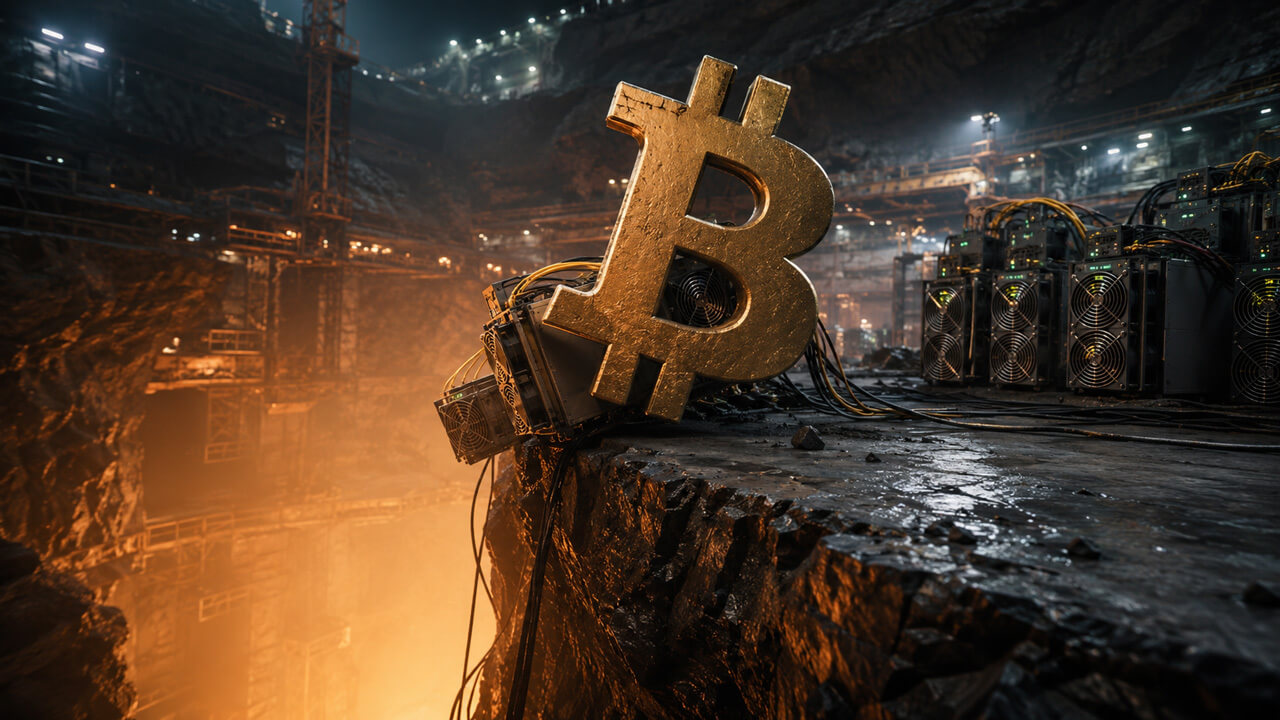
Bitcoin is currently trading significantly below its average production cost of $84,300, creating a sharp divide between profitable high-efficiency miners and those forced to sell their holdings to survive.
Bitcoin's average production cost has surged to approximately $84,300, leaving miners 'underwater' as the BTC market price hovers near $60,000.
The global Bitcoin mining landscape is facing a historic squeeze as the market price of BTC struggles to keep pace with operational expenses. For American investors, this shift represents a fundamental change in the 'price floor' theory that once suggested Bitcoin would never stay below its production cost for long.
With Bitcoin price hovering near $60,000, many mining firms are operating at a net loss. This disparity is forcing a massive shakeout in the industry, where only those with the cheapest power and most advanced hardware can remain competitive.
The Broken Production Cost Floor Explained
In previous market cycles, the production cost (the total expense to mine one Bitcoin) acted as a psychological and technical floor for the market. Analysts often assumed that if price fell below cost, miners would simply stop selling, causing a supply shortage that pushed prices back up.
However, recent data from experts shows that the all-in cost for many is currently near $84,300. This includes electricity, hardware depreciation, and administrative overhead. With BTC trading nearly 25% below this level, the 'floor' has effectively shattered, creating a period of sustained miner distress.
"When the market price falls significantly below the cost of production, we enter a phase of miner capitulation. This is where the weakest hands are forced out, and their Bitcoin reserves are dumped onto the open market."
Why Costs Have Skyrocketed Post-Halving
The primary driver behind this cost surge was the April 2024 Halving (a pre-programmed event that occurs every four years, cutting the reward for mining new blocks in half). This event effectively doubled the amount of energy required to earn the same amount of Bitcoin.
While the Hash Rate (the total computational power securing the network) remains near all-time highs, the rewards are thinner than ever. To track these metrics in real-time, many investors utilize tools like CoinGecko to compare market valuations against historical performance data.
- Energy Costs: Global electricity prices have remained volatile, impacting older mining rigs first.
- Hardware Efficiency: Newer models like the Antminer S21 are necessary to maintain any margin.
- Debt Servicing: Many public mining companies are still paying off loans from the 2021 bull market.
Survivor vs. Seller: The Great Mining Divide
We are currently witnessing a 'Darwinian' event within the Bitcoin network. Mining companies are now split into two distinct camps: the Survivors and the Sellers.
The Survivors are typically large-scale, publicly traded firms that secured low-cost power contracts and have significant cash reserves. The Sellers are often smaller, independent operations or poorly managed firms that must sell their BTC daily just to keep the lights on. This constant selling creates downward pressure on the price of Bitcoin, preventing a quick recovery.
- Insolvent miners liquidate their remaining BTC treasures.
- Network difficulty eventually adjusts downward.
- Only the most efficient players remain, leading to a healthier network long-term.
What This Means for USA Investors
For US-based investors, this mining crisis has several direct implications. First, the IRS (Internal Revenue Service) treats Bitcoin as property; for miners, these liquidations are taxable events that could impact the market's total volume on US exchanges like Coinbase and Kraken.
Furthermore, the SEC (Securities and Exchange Commission) continues to monitor public mining companies listed on the NASDAQ. If large US-based miners begin to experience defaults, it could lead to increased volatility for BTC-related stocks and Spot Bitcoin ETFs (Exchange-Traded Funds).
As the USD price of Bitcoin struggles against these high production costs, American retail investors should watch for 'Miner Capitulation' signals. Historically, once the weakest miners have finished selling their stashes, the market often clears the way for the next major price rally.
Current Market Outlook
Despite the current bearish pressure, a mining shakeout is generally considered a healthy long-term development. It transfers Bitcoin from 'weak hands' to 'strong hands' and ensures that the network is supported by the most efficient technology available.
Investors should maintain a long-term perspective and understand that while production costs are currently high, they are not a guaranteed indicator of short-term price movements. Diversification and risk management remain essential in this volatile environment.
Key Takeaways
- Identify why the current BTC price sits roughly 25% below the all-in production cost for most miners.
- Monitor miner capitulation trends as inefficient operations are forced to liquidate their BTC holdings.
- Evaluate the shift from high-cost operations to low-cost, energy-efficient survivors in the mining sector.
- Understand the impact of the 2024 Halving on network difficulty and operational profitability.
- Track potential sell pressure on exchanges like Coinbase and Kraken from struggling mining pools.