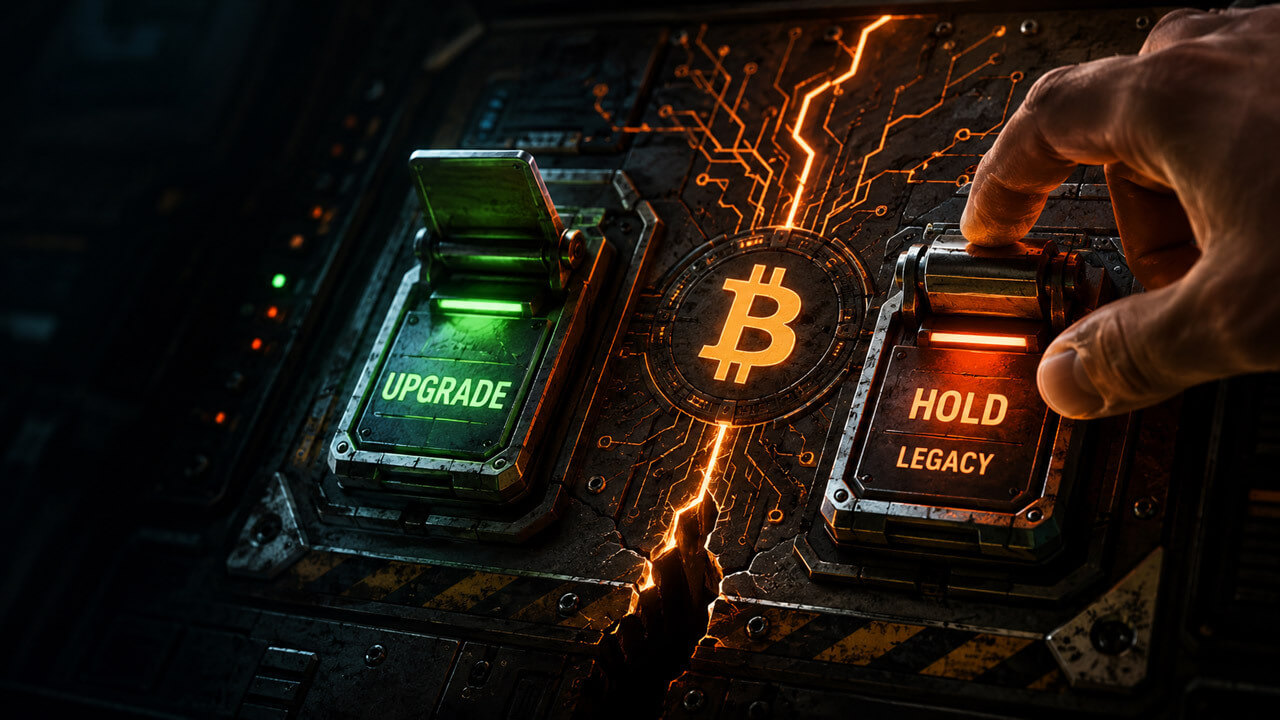
The Bitcoin network is approaching a critical August deadline for BIP-110, a proposal that requires exchanges and miners to signal their support to ensure a smooth technical transition.
Bitcoin is facing a technical upgrade via BIP-110 that requires crypto exchanges and miners to update their software by August to ensure network compatibility.
A new technical debate is brewing within the Bitcoin community that could impact how Americans buy, sell, and hold their digital gold. Bitcoin Improvement Proposal 110 (BIP-110) is currently moving through a signaling phase, where participants in the network must decide whether to adopt new rules. For US investors using platforms like Coinbase or Kraken, this timeline matters because technical disagreements can sometimes lead to market uncertainty or temporary service disruptions.
Understanding the BIP-110 Technical Shift
BIP-110 is a proposal designed to improve the efficiency and security of the Bitcoin blockchain. In simple terms, a BIP is a formal design document providing information to the Bitcoin community. These proposals often introduce new features or fix existing bugs. Because Bitcoin is decentralized (not controlled by one person), every major change requires a majority of the network to agree on the update.
Currently, data from tracking tools like CoinGecko shows that Bitcoin remains the dominant market force, making any technical shift a high-stakes event. If the network does not reach a consensus (general agreement) by the August deadline, there is a small risk of a "fork." A fork occurs when a blockchain splits into two separate paths, which can be confusing for casual holders.
Miners and the Power of Signaling
For a Bitcoin upgrade to go live, miners must "signal" their readiness. Miners are the specialized computers that secure the network and process transactions. By including a small piece of data in the blocks they find, they tell the rest of the world that they are ready for the new BIP-110 rules. Currently, signaling support is sitting at a low level, roughly 0.42% since early May.
This low percentage has raised alarms for node operators. A node is a computer that runs the Bitcoin software and keeps a full copy of the ledger. These operators, including major US-based mining pools, have a narrow window to coordinate. The process is often called a "lock-in" period. If enough miners signal support before the August deadline, the upgrade becomes permanent and mandatory for the whole network.
Why the August Deadline Matters
The month of August serves as a line in the sand for developers and exchanges. If the network hasn't aligned by then, it could trigger a more contentious debate. History has shown that when Bitcoin faces these types of "fork fights," the market can see increased volatility. Investors often move their funds to self-custody wallets to ensure they have control over their private keys regardless of which path the network takes.
- Software Compatibility: Exchanges must update their backend systems to recognize BIP-110 blocks.
- Miner Consensus: A supermajority of hash power (computing power) is typically required for safety.
- User Protection: Wallets and custody providers use this time to ensure user funds remain accessible.
Exchanges and Wallet Providers on High Alert
It is not just the miners who need to act. Crypto exchanges, wallets, and payment processors must also prepare their infrastructure. If an exchange like Gemini or Kraken fails to update its software while the rest of the network moves forward, it could result in "stuck" transactions or a temporary halt in BTC deposits and withdrawals. This is why the August window is being watched so closely by technical teams in the US.
"Technical upgrades are the lifeblood of Bitcoin's longevity, but the path to consensus is rarely a straight line for a global, decentralized network."
- Notification: Exchanges will likely email US customers if any downtime is expected.
- Testing: Developers are currently running simulations to ensure BIP-110 doesn't break existing apps.
- Activation: Once the threshold is met, the code activates automatically at a specific block height.
What This Means for USA Investors
For the average American investor, the BIP-110 situation is primarily a technical event, but it has regulatory and financial ripples. The IRS (Internal Revenue Service) treats Bitcoin as property. If a technical dispute were to result in a "hard fork" (creating a new coin), US taxpayers might suddenly find themselves with new assets that carry immediate tax implications. Historically, the IRS has viewed the receipt of forked coins as taxable income at the fair market value at the time of receipt.
Furthermore, the SEC (Securities and Exchange Commission) and the CFTC (Commodity Futures Trading Commission) monitor network stability to ensure that US-regulated exchanges provide fair and orderly markets. If you hold your Bitcoin on a major US exchange like Coinbase, they will likely handle the technical heavy lifting for you. However, staying informed is key. Most US exchanges will signal their support for the upgrade long before the deadline to avoid any risk of losing their "BitLicense" or other state-level operating permits. Always ensure your exchange of choice has posted an official statement regarding their BIP-110 readiness as August approaches.
Key Takeaways
- Identify BIP-110 as a crucial technical proposal requiring broad network consensus to avoid a split.
- Monitor the August deadline when exchanges must signal support for the new protocol rules.
- Recognize that current miner signaling remains low, creating urgency for node operators.
- Assess potential volatility in BTC price as the technical lock-in window approaches.
- Ensure your private wallet or exchange of choice is prepared for the protocol transition.